Electronics Recycling Services: Professional E-Waste Solutions for Offices
Eco-Friendly Approaches: How E-Waste Recycling Services Are Preserving Our Planet
E-waste represents a considerable hazard to the environment, as disposed electronics frequently harbor hazardous substances. These hazardous substances can contaminate soil and water, leading to broader ecological damage. E-waste recycling initiatives provide a practical answer. They successfully retrieve useful resources while simultaneously minimizing environmental pollution. Comprehending the operation of these services and their influence on communities is of great importance. The path to successful electronic waste management prompts vital discussions about personal accountability and communal efforts. What actions should be considered going forward?
Why E-Waste Is Bad for the Planet
Although technology enriches contemporary living, e-waste poses considerable environmental hazards. Discarded electronic devices, commonly laden with dangerous compounds like cadmium, lead, and mercury, are capable of seeping pollutants into soil and groundwater, creating hazards for both wildlife and human well-being. The accelerating rate of technological innovation results in higher rates of electronics disposal among consumers, intensifying the growing problem of e-waste.
Landfills, already burdened with waste, struggle to accommodate the growing volumes of discarded gadgets. Incineration, another disposal method, releases harmful pollutants into the atmosphere, contributing to air quality degradation. Furthermore, inadequate recycling methods can result in the shipment of electronic waste to underdeveloped nations, where workers may break down equipment without proper protective measures, putting themselves at risk of exposure to hazardous materials. This cycle of neglect and improper handling underscores the urgent need for sustainable recycling solutions that can mitigate the adverse effects of e-waste on the planet.
What Is E-Waste and Why Does It Matter?
E-waste, also referred to as electronic waste, includes discarded electronic devices like computers, smartphones, and televisions that have exceeded their operational lifespan. This growing category of waste is significant due to its rapid accumulation, driven by technological advancements and consumer trends. As more devices become obsolete, the toll on the environment grows more severe, with toxic materials such as lead, mercury, and cadmium posing risks to ecosystems and human health.
Addressing e-waste is crucial not only for reducing these dangers but also for acknowledging the precious materials found within it. Precious metals and rare earth elements can be recovered and reused, reducing the need for mining and conserving natural resources. Through a deeper awareness of e-waste and its consequences, both individuals and organizations can make well-informed choices regarding disposal and recycling, thereby supporting a more sustainable future. Proper management of e-waste is essential for fostering a circular economy and promoting environmental stewardship.
How E-Waste Recycling Works
The recycling of e-waste encompasses a systematic process aimed at reclaiming useful resources while limiting ecological damage. Initially, e-waste is collected and transported to specialized recycling facilities. Once there, the devices Get it now undergo thorough sorting to separate hazardous components from recyclable materials.
After this step, specialists take apart the products, extracting plastics, metals, and glass. This process is vital, as it makes possible the recovery of rare metals like gold, silver, and copper, which can be recycled in new electronic devices.
Next, the divided materials are processed using sophisticated techniques, such as mechanical shredding and chemical processing, to prepare them for recycling.
Finally, the remaining hazardous materials are disposed of responsibly, adhering to environmental guidelines. This multi-step approach not only saves important resources but also minimizes the hazards connected to unsafe e-waste handling, guaranteeing a greener future for electronic device usage.
How E-Waste Recycling Benefits You and Your Community
Although it often goes unnoticed, the positive effects of e-waste recycling reach well past personal use to meaningfully influence entire communities. By responsibly disposing of electronic waste, individuals help foster a cleaner environment, minimizing toxic components that can seep into soil and water. This responsible method helps preserve local ecosystems and advances public health.
Additionally, e-waste recycling promotes job creation within communities. Local recycling facilities often require personnel for diverse activities, including collection and processing, therefore offering work opportunities for local residents. This not only boosts the local economy but also encourages community engagement in sustainable practices.
Furthermore, understanding of e-waste recycling has the potential to generate educational initiatives, equipping residents to adopt eco-friendly choices. By engaging with e-waste recycling programs, individuals nurture a culture of sustainability, encouraging others to embrace similar practices. Ultimately, the cumulative impact of these actions can lead to a more robust and eco-friendly community.
A Guide to Selecting an E-Waste Recycling Service
Picking the most suitable e-waste recycling service is essential for ensuring that e-waste is managed in a responsible and sustainable manner. Initially, people should confirm the service's certifications, such as R2 or e-Stewards, which indicate compliance with professional guidelines for safe recycling practices. Additionally, it is advisable to examine the organization's credibility by checking reviews and seeking advice from dependable sources.
Next, openness in the recycling process is crucial. A trustworthy service should provide clear information about the way e-waste is handled and how the materials are utilized. Furthermore, assessing the variety of services available can be advantageous; certain providers may offer collection services or present rewards for recycling.
Ultimately, learning about regional rules concerning e-waste disposal can help inform the choice of disposal method. By prioritizing these factors, individuals can contribute to successful electronic waste reduction alongside encouraging green and responsible behaviors.
How You Can Get Involved in E-Waste Recycling?
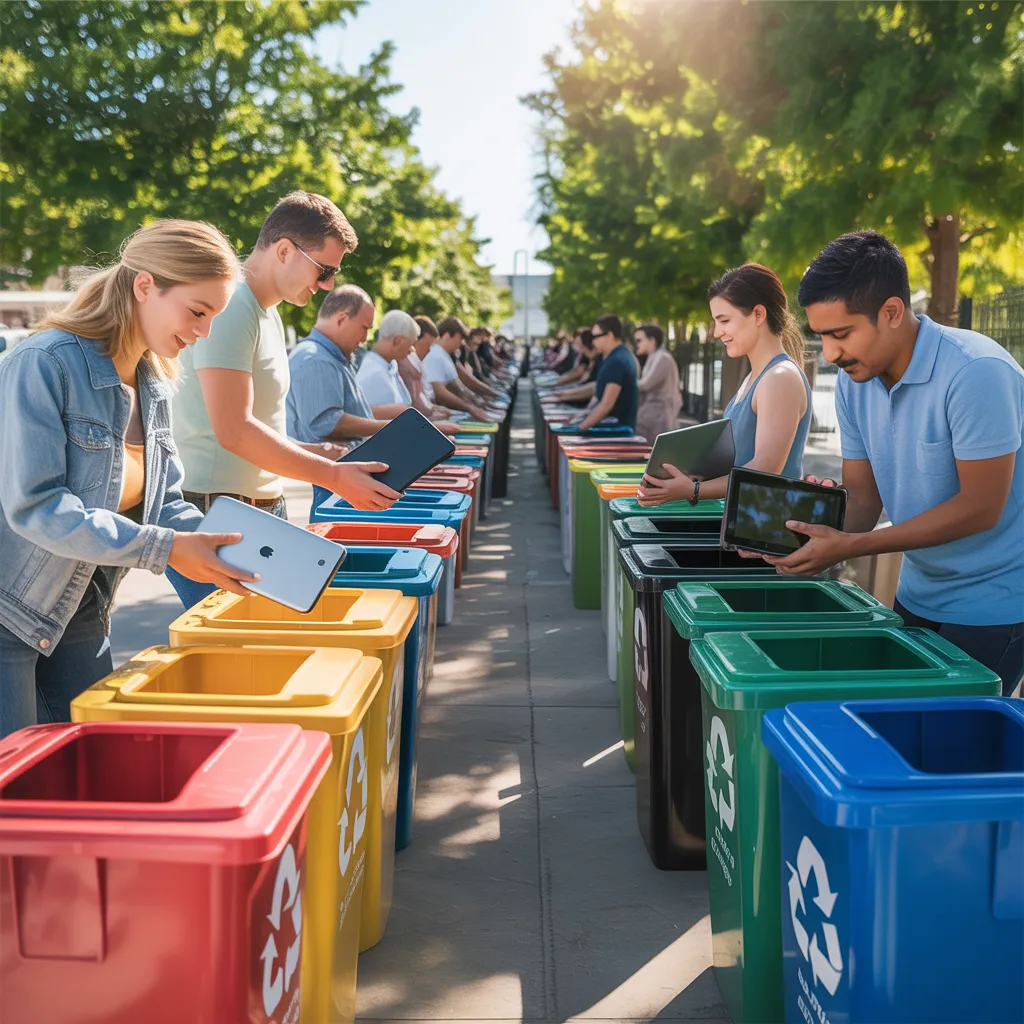
Participating in e-waste recycling can start at the local level, where local recycling facilities often provide essential services for safe disposal. Additionally, joining community awareness campaigns can amplify efforts to educate others about the importance of ethical e-waste practices. Such efforts not only promote sustainability but also build a collective sense of responsibility toward the environment.
Area Recycling Stations
Many local recycling centers perform an important function in electronic waste recycling, supplying communities with reliable ways to discard electronic waste in an eco-friendly way. These facilities handle a range of electronic items, including used computers, handheld devices, and televisions, ensuring that harmful materials are handled safely. Many hubs feature qualified professionals who can guide individuals on proper disposal methods, emphasizing the importance of recycling over landfilling. Additionally, various hubs coordinate planned drop-off gatherings or set collection days, allowing residents to take part with ease. By taking advantage of these neighborhood resources, individuals contribute to a circular economy, lowering environmental harm and encouraging sustainable habits. Engaging with these centers encourages communities to fight e-waste pollution decisively.
Community Outreach Campaigns
Nearby organizations, schools, and enterprises can partner to arrange initiatives that encourage e-waste collection drives. Dedicated participants can take a leading part in promoting knowledge, handing out educational content, and interacting with the surrounding community. By means of these joint initiatives, community members grow more knowledgeable and inspired to dispose of their electronics responsibly, ultimately contributing to a more sustainable future.
Questions We Often Receive
Which Types of Electronics Are Recyclable?
Many different electronics can be recycled, including smartphones, computers, laptops, televisions, printers, and gaming consoles. In addition, accessories such as batteries, keyboards, and mice are well-suited for recycling, supporting efforts to conserve the environment.
Is There a Cost Associated With E-Waste Recycling?
Yes, electronic waste recycling may involve fees, subject to the facility. Some service centers charge fees for gathering or treatment, while other facilities provide no-cost solutions, frequently supported by the sale of reclaimed components.
What Are the Benefits of E-Waste Recycling for Businesses?
Companies can take advantage of e-waste recycling by lowering disposal expenses, improving their green reputation, complying with regulations, reclaiming useful materials, and potentially generating revenue through resale, thus supporting a greener and more sustainable operational framework.
What Becomes of Data on Recycled Devices?
Details on repurposed devices is commonly permanently erased or destroyed during processing. This confirms private details remains secure, preventing unauthorized access while enabling components to be reused carefully and ethically within new applications.
Can I Recycle Broken Electronics?
Indeed, broken electronics may be recycled. Many centers take in non-functioning devices, providing responsible disposal and extraction of useful materials. This helps decrease harm to the environment while encouraging sustainable recycling habits to control electrical waste effectively.